What's Growing on Your Siding? How to Identify and Remove Mold, Mildew, and Algae
What's Growing on Your Siding? How to Identify and Remove Mold, Mildew, and Algae
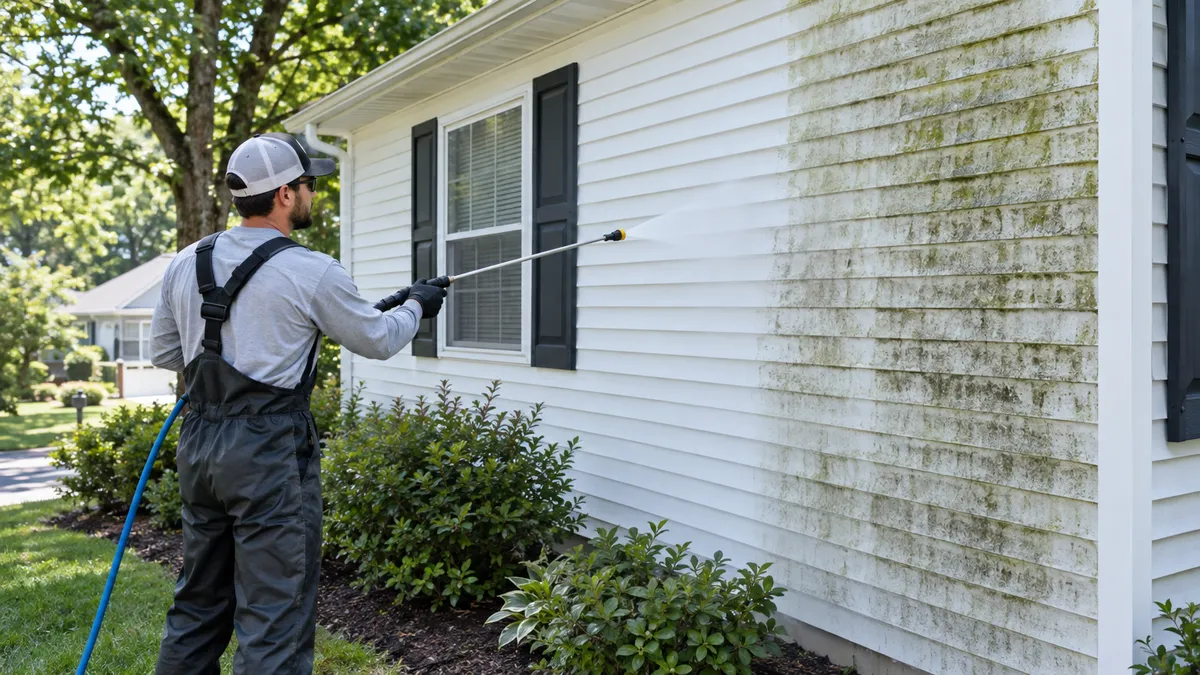
You notice it when you're backing out of the driveway — dark streaks running down the north side of the house, or a green tinge spreading along the lower sections of the siding. It wasn't there last summer. Now it's hard to ignore.
That discoloration isn't dirt from a bad storm or runoff from the gutters. It's almost certainly a biological growth: mold, mildew, algae, or some combination of all three. And if you live in the Capital Region of New York, your home's exterior is particularly vulnerable to it.
Why Upstate New York Homes Are Prone to Biological Growth
The Albany area and surrounding communities experience a climate that biological growth thrives in — humid summers, extended periods of shade on north and east-facing walls, moisture from seasonal rain, and the freeze-thaw cycles of a genuine Upstate winter. All of that creates conditions where mold, mildew, and algae can take hold and spread quickly if a home's exterior isn't cleaned regularly.
Homes with mature trees nearby, limited airflow on one side of the property, or older siding materials tend to show growth faster. But even well-maintained homes can develop patches over a season or two.
Mold vs. Mildew vs. Algae: What's the Difference?
Not all exterior growth is the same, and knowing what you're looking at can help you understand how to address it properly.
Algae
Algae is typically the green or greenish-brown growth that appears on siding, concrete, and other exterior surfaces. It thrives in moist, shaded areas and spreads through airborne spores. Algae itself doesn't penetrate deeply into most siding materials, but it creates a slippery, wet surface that can accelerate other problems and encourages mildew and mold to follow.
Mildew
Mildew is a surface fungus that usually appears as a flat, powdery, or slightly fuzzy growth — often white, gray, or light brown. It's common on the surface of painted or vinyl siding and tends to appear in shaded areas that stay damp. Mildew is generally the easiest of the three to clean when caught early.
Mold
Mold is more concerning. On home exteriors, mold typically appears as dark streaks or patches — black, green, or dark gray in color. It spreads through spores and can become embedded in porous surfaces like wood, stucco, or older paint finishes. Left untreated, exterior mold can eventually migrate toward structural components or penetrate areas where moisture is already present.
In practice, homeowners often see a combination of all three on the same wall, which is why the treatment approach matters as much as identifying exactly what type of growth is present.
What Does Biological Growth Do to Siding Over Time?
The short answer: more damage than most homeowners expect.
- Paint degradation. Mold and mildew hold moisture against painted surfaces, causing paint to peel, bubble, and fail prematurely.
- Wood damage. On wood siding or trim, biological growth accelerates rot and softening of the material underneath.
- Staining that sets in. Algae and mold stains can become increasingly difficult to remove the longer they're left untreated. What starts as a surface growth can leave permanent discoloration on some materials.
- Accelerated spread. Once established, biological growth tends to expand — especially through warm, humid Capital Region summers.
- Curb appeal and property value. Visually, a home covered in green algae or black mold streaks looks neglected, which affects first impressions for neighbors, visitors, and potential buyers alike.
Why High-Pressure Washing Isn't Always the Right Answer
There's a common instinct to hit the siding with the highest pressure available when you see that kind of buildup. But for most house washing applications — and especially for mold and algae removal — pressure alone isn't the most effective approach, and it can actually cause problems.
High pressure can:
- Force water behind siding panels and into wall cavities
- Damage vinyl siding by cracking or warping it at close range
- Strip paint or caulk from trim and window frames
- Drive mold spores deeper into porous surfaces rather than removing them
The more effective approach for biological growth is soft washing — a low-pressure application combined with professional-grade cleaning solutions that kill mold, mildew, and algae at the source. Soft washing treats the organism rather than just blasting it off the surface, which means results last longer and the siding isn't put at risk in the process.
Can You Remove Mold and Algae Yourself?
There are DIY options — scrubbing with a diluted bleach solution is a common approach — but there are real limitations to going the DIY route.
First, consumer-grade products and garden hoses rarely have the formulation or pressure consistency to clean the entire exterior evenly. You might eliminate visible patches in one area while missing growth that's just starting to develop nearby.
Second, working on a ladder to reach upper stories of siding creates a safety risk that professionals are equipped to manage. A two-story home with growth on the upper panels is significantly harder to clean safely without the right equipment.
Third, improper cleaning techniques can push moisture into gaps in the siding, damage caulking, or apply cleaning chemicals at concentrations that harm landscaping, painted surfaces, or nearby materials.
For a thorough, safe, lasting result — professional house washing is the more practical choice for most homeowners.
How Often Should You Have Your Siding Cleaned?
For most Capital Region homes, a professional house washing every one to two years is a reasonable baseline. Homes with heavier tree cover, north-facing walls that stay shaded, or older siding materials may benefit from annual cleaning. After a particularly wet or humid summer — which the Albany area sees regularly — it's worth inspecting the siding closely before the growth has a chance to set in over fall and winter.
Catching growth early means less cleaning time, less risk of surface damage, and a faster result. A light algae buildup that's addressed in early fall is far easier to treat than heavy mold that's had a full season to develop.
What a Professional House Washing Covers
A professional house washing service doesn't just clean the obvious patches. It addresses the full exterior — siding panels, trim, soffits, fascia, window frames, and other surfaces that accumulate grime and biological growth over time. The goal is a consistent, even result across the entire home, not just the areas that were visually most affected.
When done correctly, a professional cleaning also helps identify areas of concern — places where moisture may be getting in, where caulking is failing, or where paint is showing early signs of deterioration. That kind of information is useful for any homeowner keeping up with property maintenance.
Get a Clean Exterior Before the Season Changes
Fall is one of the best times to have your home's exterior professionally washed in the Capital Region. Cleaning siding, soffits, and trim before winter removes the biological growth and accumulated grime that would otherwise sit against your home's exterior through months of freezing temperatures — creating conditions for further damage by spring.
If you've noticed green patches, dark streaks, or any discoloration on your siding, Under Pressure Washing 518 serves homeowners throughout Albany, Troy, Watervliet, Clifton Park, Latham, Delmar, and the surrounding Capital Region. Request a free estimate and we'll take a look at what's going on with your home's exterior and recommend the right cleaning approach.
